

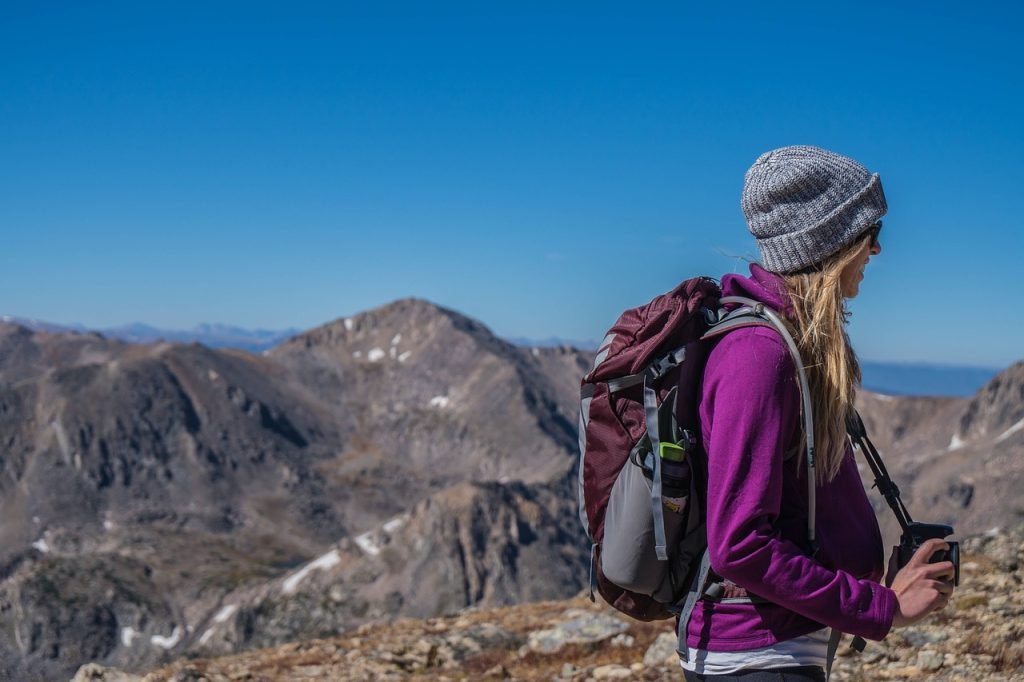
Type of hiking bag
- Outdoor backpacks are usually divided into outer frame bags, inner frame bags and soft bags according to the structure of the carrying system.
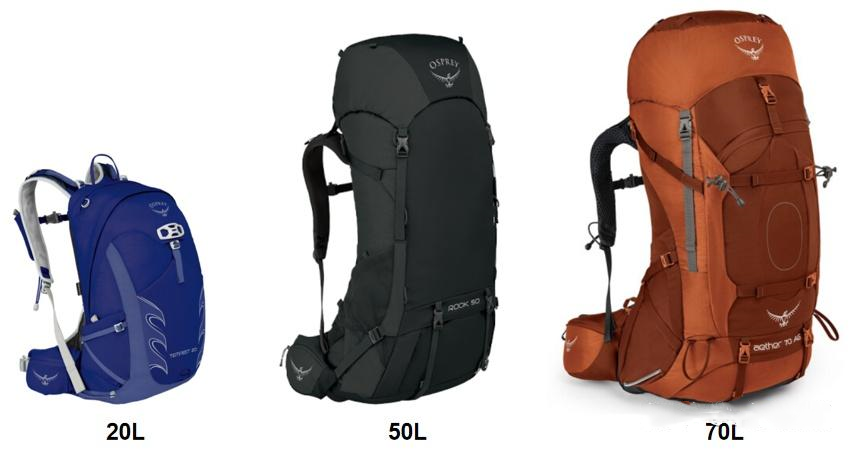
- According to the capacity, it is divided into small backpacks (under 30 liters), medium backpacks (30-45 liters) and large backpacks (45-80 liters)
- According to the use, it can be divided into daily backpacks, camping bags, professional hiking bags and professional sports backpacks.
The role of the hiking bag
- Daily backpacks are mainly used for city tours and activities around the city that last only one day. It is usually a smaller soft bag with a capacity of 13-18L, used to carry simple spare clothes, food, cameras and water. The selection pays more attention to breathability and portability.
- Camping bags are mainly used for camping activities lasting more than one day. If you need to pack tents, sleeping bags, moisture-proof mats, stoves, spare clothes, food and other supplies, you usually choose a 25-45L backpack.
- Professional hiking bags require some professional design. The isolation layer and hooks can hold some technical items such as helmets, trekking poles, and crampons.
- Professional sports backpacks, such as running bags and cycling bags, require the backpack to be thin and close to the back, and need to have a place to store water bottles so that athletes can replenish water and rest in time.
Fabric for a hiking bag
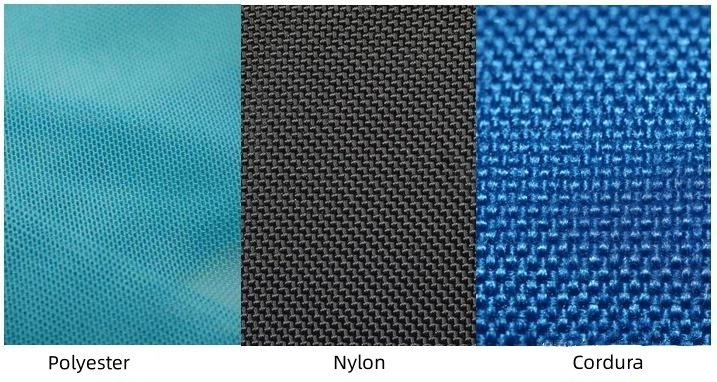
In terms of materials for mountaineering bags, they are mainly made of polyester, nylon, canvas, cotton and linen, wax cloth and Cordura.
- Nylon: It is characterized by being very light and good in tear resistance. Basically, more than 80% of mountaineering bags use it.
- Canvas: Wear-resistant and not easily damaged, but slightly less waterproof and not suitable for rainy days.
- Cotton and linen: Mainly used for leisure, less used for weight-bearing mountaineering, but good-looking.
- Cordura: The characteristic is that it has excellent wear resistance and tear resistance.
Hiking bag carrying system
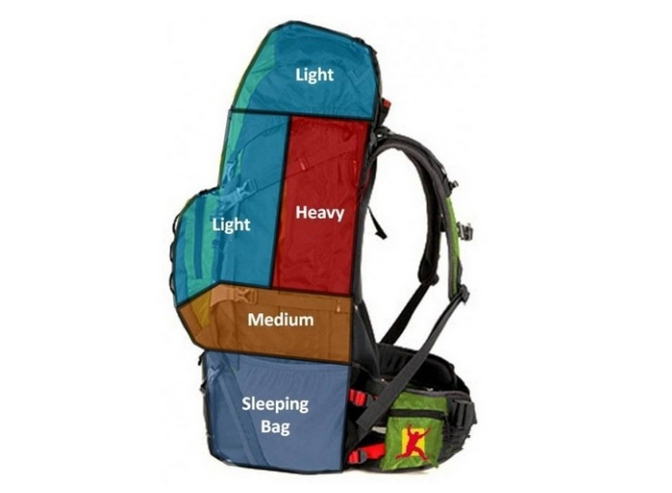
The carrying system includes shoulder straps, belts, chest straps, force-adjusting belts, support frames, etc. The ideal carrying system can better fit the curves of the human body and better transfer the load to the lower body to the hips. It can also reduce the burden. But before choosing, you need to know your torso length:
- Trunk length: The distance between the most prominent bone at the junction of the neck and shoulders.
- Torso length less than 1.47inch: choose small carrying system
- Torso length between 45-52cm: choose the medium carrying system
- Torso length above 52cm: Choose a large carrying system.
Belt size selection
- Waist circumference below 68cm: choose the extra small size.
- Waist circumference 68-78cm: choose small size.
- Waist circumference 78-92cm: choose medium size.
- Waist circumference 92-106cm: choose the large size.
Maintenance of hiking bag
After returning from outdoor activities, you should clean your backpack. Most backpacks have a PU waterproof coating and cannot be washed in a washing machine.
The backpack must be stored in a cool and dry environment to avoid mold and damage to the waterproof coating on the outer layer of the backpack fabric.
The end
If you don’t know how to choose a hiking bag, I believe the above content will be very helpful to you and can help you quickly choose a hiking bag that suits you.